
Discussing leadership, we often overlook kindness, focusing more on power and wealth. Yet the leaders who leave a lasting impact are the ones who choose humanity over dominance. People often have this notion that harshness is a necessary ingredient for success. I disagree. You can still achieve what you want by being kind. It's just a matter of choice. You may choose to be an asshole or someone people like. And that choice, especially when things get difficult, gradually defines your leadership far more than any title or achievement ever will. If you want to be remembered well, kindness is a choice worth making.
Many times throughout my life, I could have been kinder, not just professionally but personally too. In fact, I'm often better behaved at work than at home. This post is more a reminder to myself than anything else: kindness is a choice I make every day, and one I want to keep choosing even when it's hard.
Harshness often gets mistaken for standards because it is loud and visible. But it usually makes the system worse. People edit themselves before they speak. Bad news arrives late. Small problems stay hidden until they become expensive. You still get motion, but it is nervous motion. Kindness does not lower the bar. It makes it safer for people to tell the truth while the problem is still small enough to fix.
A Leadership Choice
A little bit of kindness brings more kindness. When you are kind, you influence others to be kind. Kindness creates trust. Trust then accelerates everything from decision-making to collaboration.
You can catch more flies with honey than with vinegar.
 kindness is a choice
In leadership, this isn't just a saying. It can be your strategy. When people feel safe around you, they take more risks, speak more openly, and bring you problems early instead of hiding them. Small acts of kindness compound, creating a culture where people don't just work for you, they work with you.
The Misconception of Unkindness
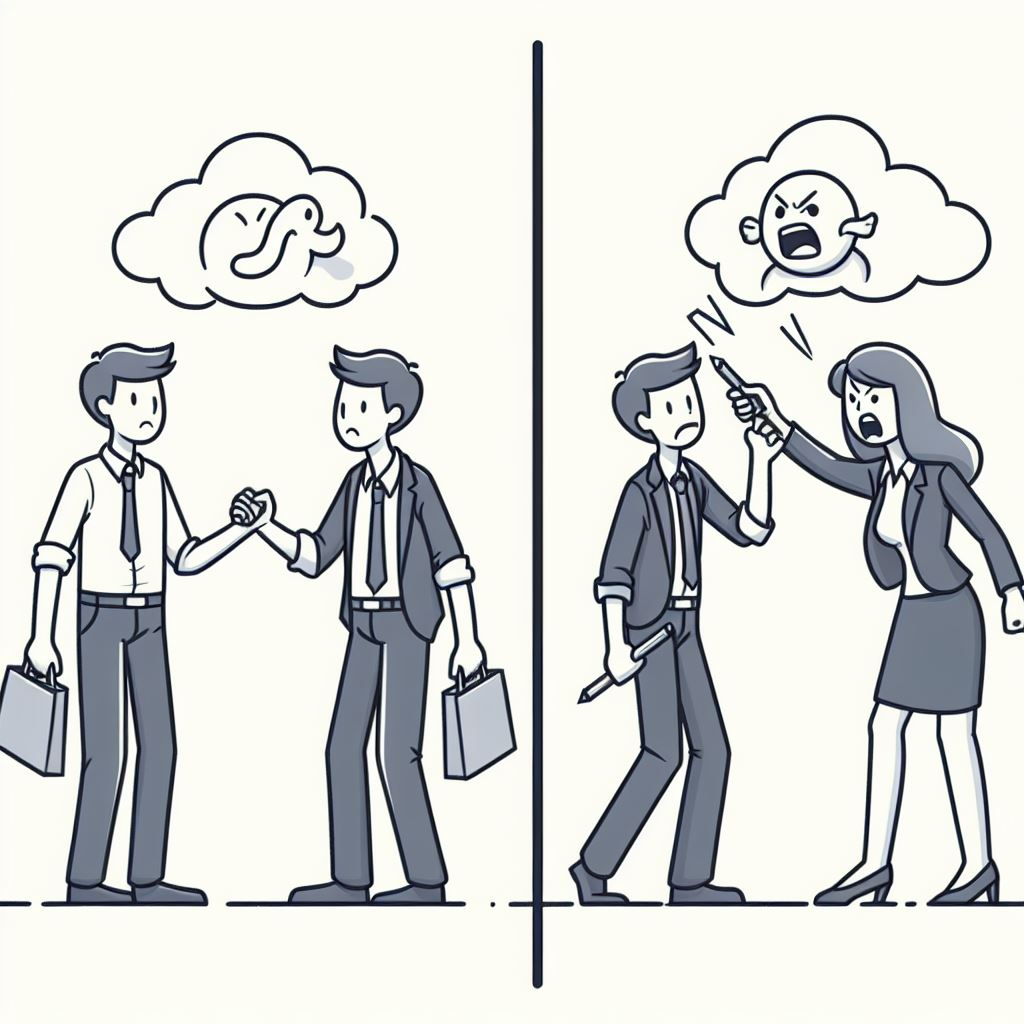
There's a prevalent misconception that to be successful, one must be tough, even at the expense of kindness. Leaders who rely on intimidation usually create short-term compliance, never long-term impact. Success and kindness are not mutually exclusive. When they coexist, people perform at their best.
People will forget what you said, people will forget what you did, but people will never forget how you made them feel.
Maya Angelou
The cost of unkind leadership rarely shows up all at once. It shows up in the engineer who stops flagging risks, the team member who waits to be asked instead of volunteering, the meeting where everyone agrees and nothing gets better. People remember how you led them far more than what you led them through.
Case Studies
Steve Jobs, Linus Torvalds, and Gordon Ramsay each built something real. They also each left a trail of people who worked around them rather than with them. Jobs got brilliance out of individuals but often got less than he could have from the room. Torvalds shaped the open-source world but kept it smaller and more guarded than it needed to be. Ramsay turned pressure into television but produced fewer great chefs than someone with his talent probably should have. The pattern is the same in all three: intensity extracted output but suppressed the honesty and risk-taking that produce the best work.
Kindness Changes What Gets Said
Kindness changes what people are willing to say in front of you. Teams share unfinished ideas, challenge bad calls, and recover from failure faster. The ceiling rises when people aren't afraid.
Kindness is the language which the deaf can hear and the blind can see.
Mark Twain
None of this is soft. Harshness buys nervous motion and late bad news. Kindness buys early bad news, which is the only kind you can still do anything about. That is the whole trade, and it is why I keep choosing it even on the days I don't feel like it.